
Heart-Healthy Foods: 11 Foods and 8 Habits for a Healthier Heart
February 13, 2018 · By the Nutrition Solutions for Me team
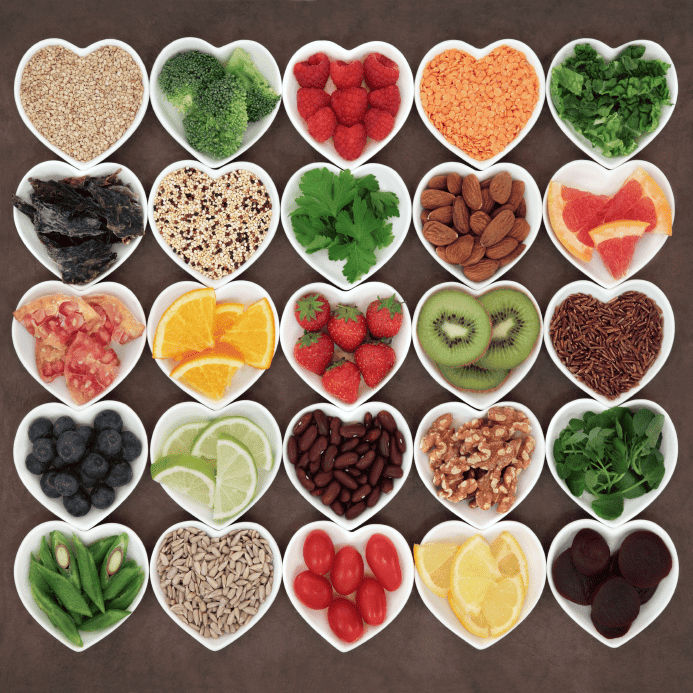
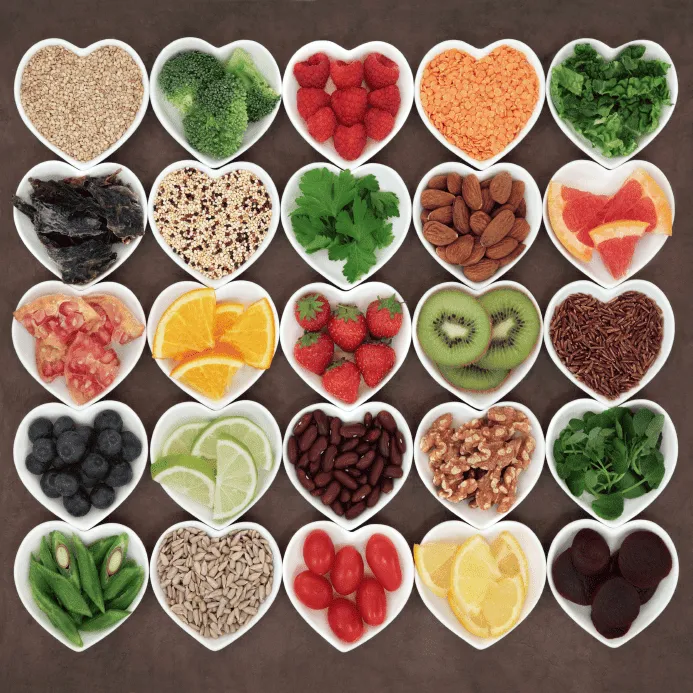
Heart disease is the leading cause of death for both men and women in the United States. The good news is that much of it can be prevented, and food is one of the most powerful tools you have. This guide brings together our favorite heart-healthy foods and the everyday habits that make the biggest difference.
The short version: build most meals around vegetables, fruit, beans, whole grains, nuts and fish; use olive oil instead of butter; and keep salt, added sugar and highly processed foods to a minimum.
11 heart-healthy foods
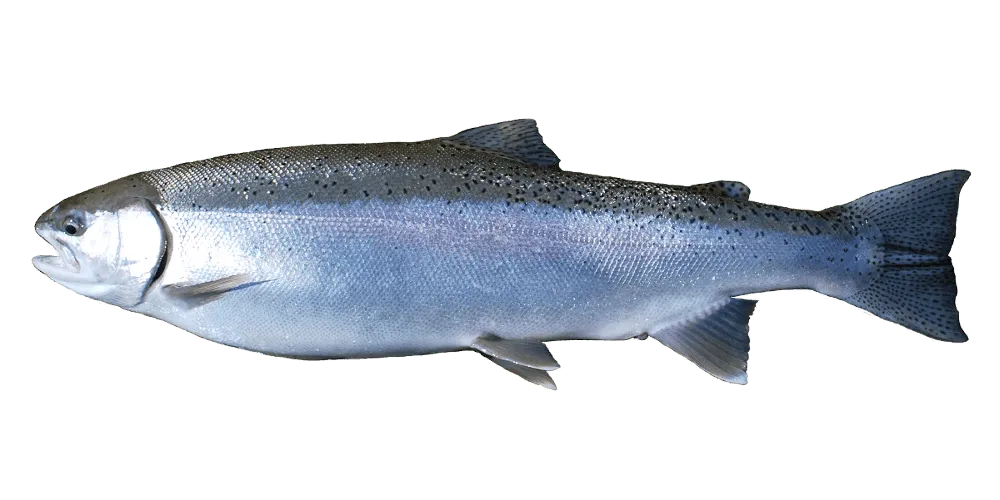
1. Salmon and other oily fish
Salmon, sardines, trout and mackerel are rich in omega-3 fats, which can lower triglycerides and may lower blood pressure slightly. The American Heart Association suggests about two servings of fish a week.
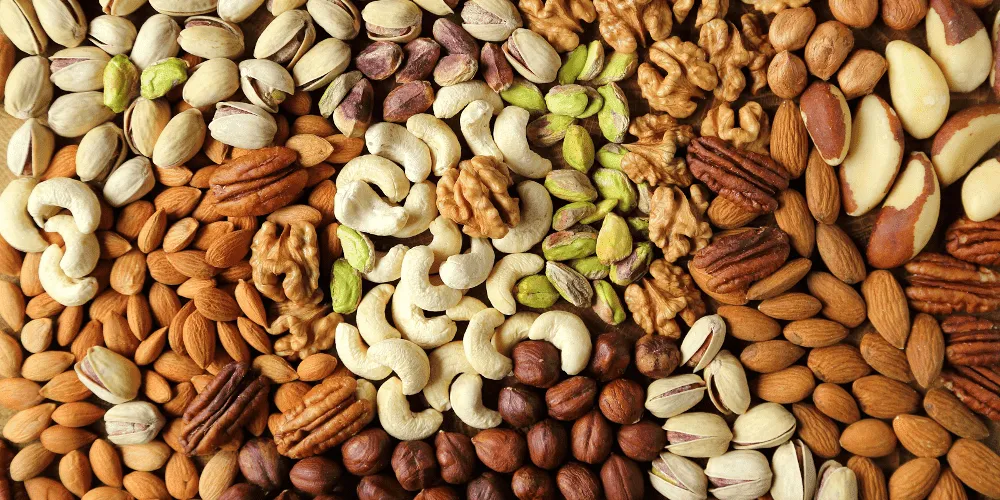
2. Nuts and seeds
Almonds, walnuts, pistachios, pumpkin seeds, flax and chia seeds give you healthy unsaturated fats, plant protein and fiber. A small handful (about 1 ounce) most days is a good amount, since nuts are high in calories.
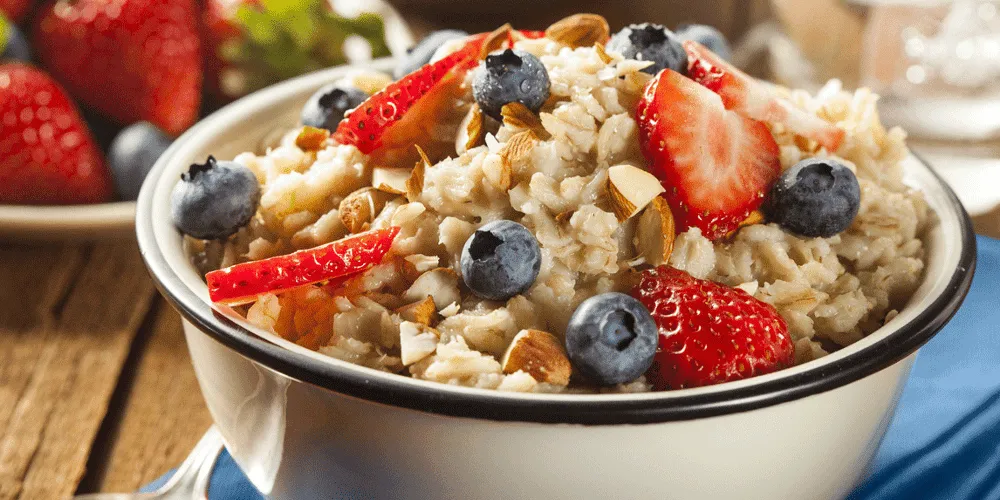
3. Oats
Oats contain a soluble fiber called beta-glucan, which helps lower LDL (“bad”) cholesterol. Steel-cut or rolled oats keep you fuller than sweetened instant packets. Top them with fruit, nuts or chia seeds.
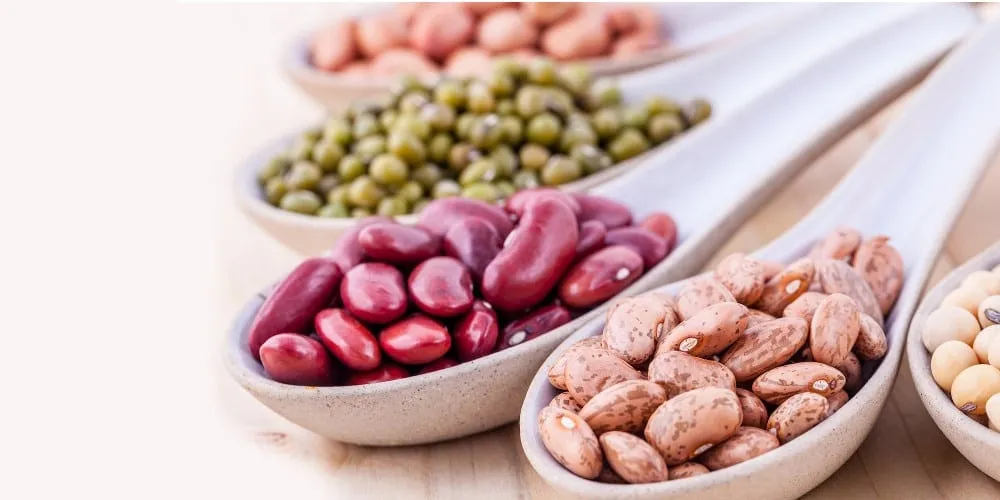
4. Beans and lentils
Beans, lentils and chickpeas are high in fiber and protein without the saturated fat in many animal proteins. Eating them regularly can help lower cholesterol. Rinse canned beans to cut the salt.
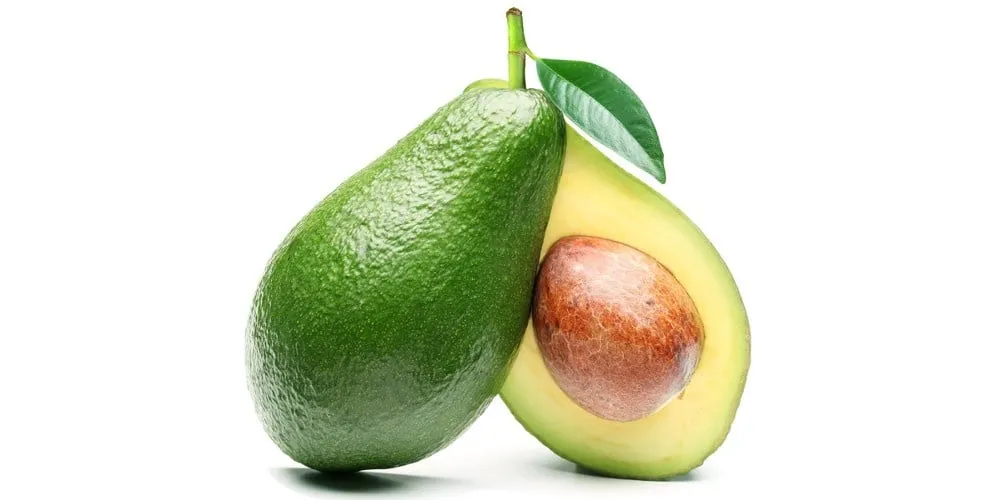
5. Avocados
Avocados are high in fat, but it’s mostly monounsaturated fat, the kind that can help lower LDL cholesterol when it replaces saturated fat such as butter.
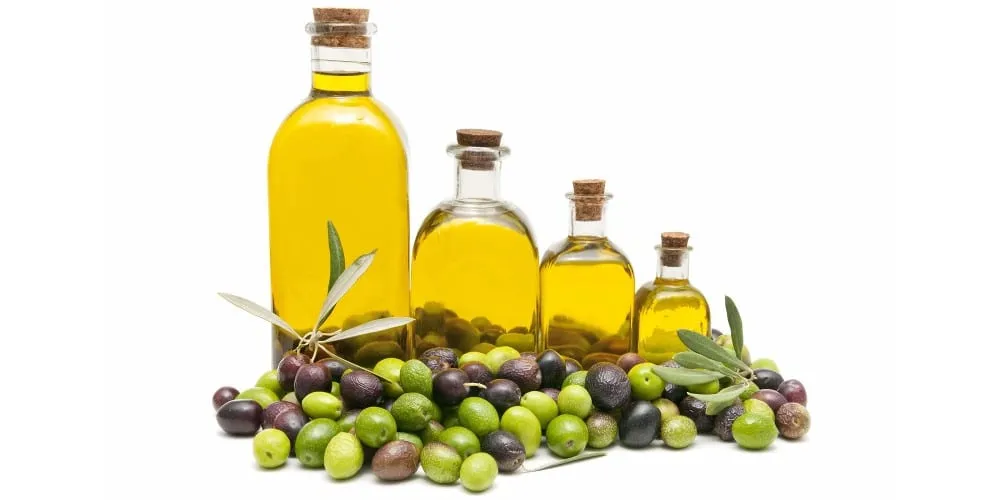
6. Olive oil
Extra-virgin olive oil is the main fat in the Mediterranean diet, one of the best-studied eating patterns for heart health. Use it in place of butter, lard or stick margarine.
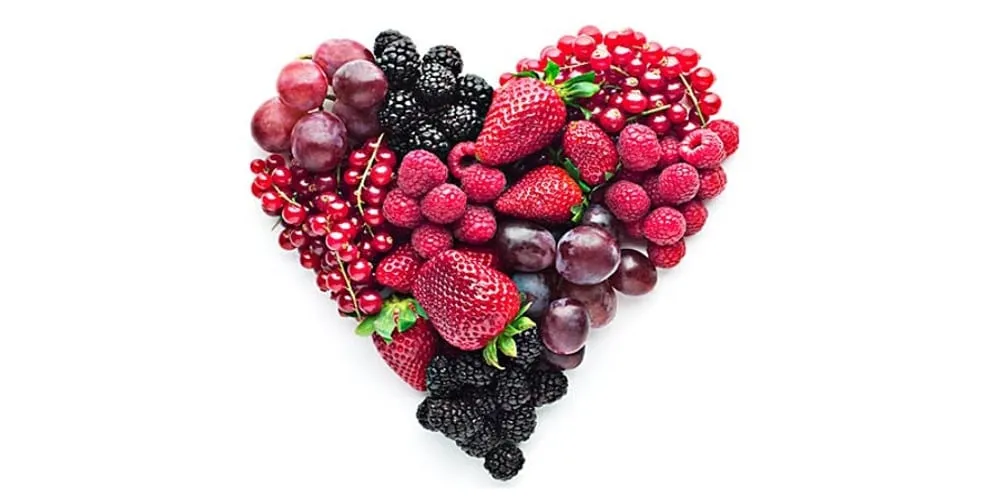
7. Berries
Strawberries, blueberries and raspberries are full of fiber and antioxidants called anthocyanins. Fresh or frozen both count.
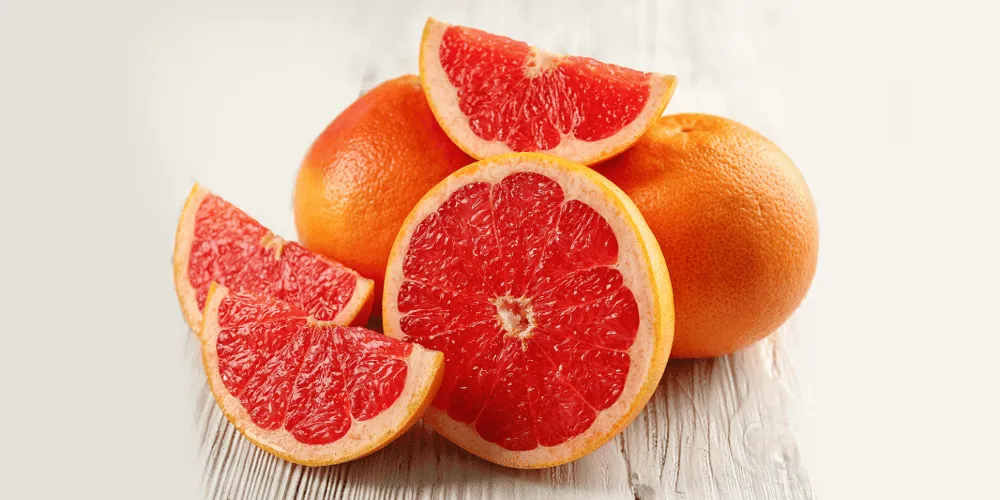
8. Citrus fruit
Oranges and grapefruit provide fiber, vitamin C and potassium, which helps balance the effect of salt on blood pressure. Check with your doctor or pharmacist before eating grapefruit if you take a statin or blood pressure medicine, because it can change how some medicines work.
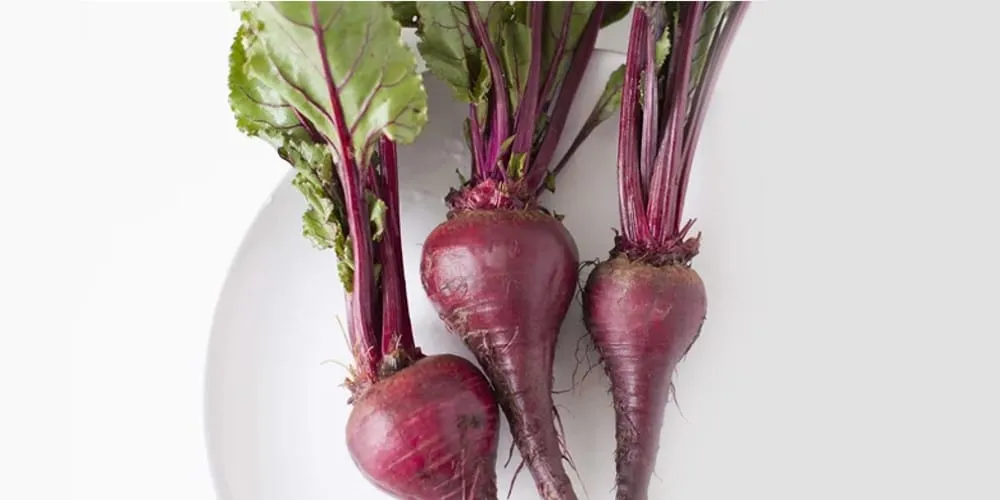
9. Beets
Beets are rich in natural nitrates, which the body turns into nitric oxide. Nitric oxide helps blood vessels relax, and studies show beets and beet juice can lower blood pressure modestly.
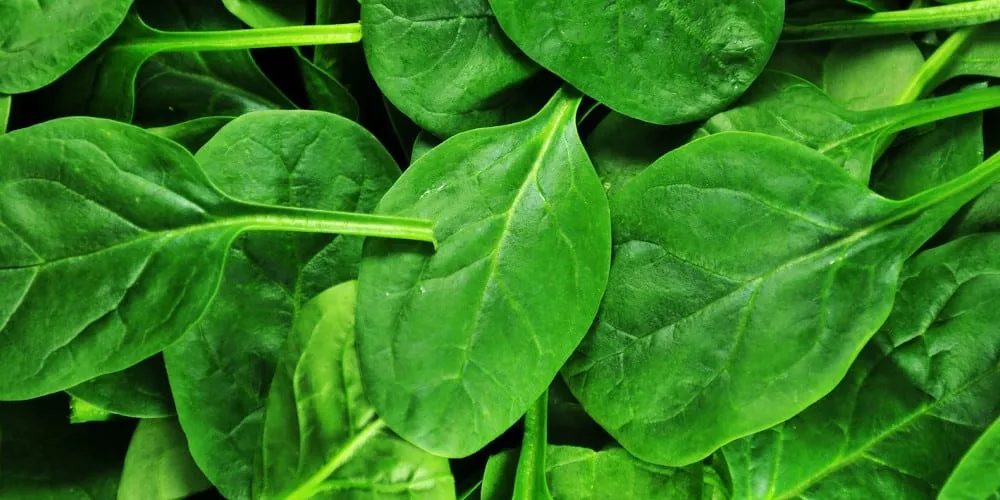
10. Leafy greens
Spinach, kale and other leafy greens give you potassium, magnesium, folate and nitrates. If you take warfarin, keep the amount of leafy greens steady from week to week and talk to your care team, because their vitamin K affects how the medicine works.
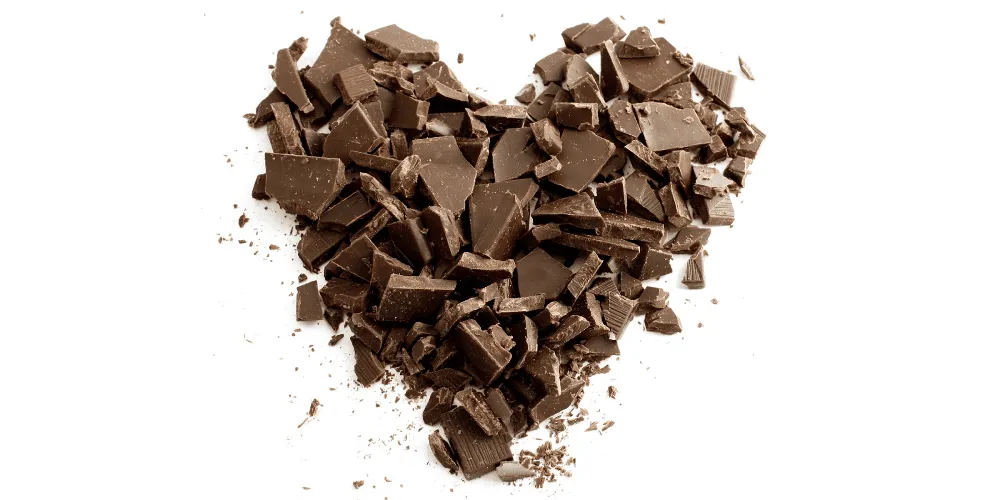
11. Dark chocolate (a little)
Dark chocolate with 70% cocoa or more contains flavanols that may help blood vessels relax. It still has sugar and calories, so think of it as a small treat (a square or two), not a health food.
8 everyday habits for a healthy heart
- Eat a heart-healthy pattern. Fill half your plate with vegetables and fruit, and choose whole grains, beans, nuts, fish and lean protein.
- Cut back on salt. Most salt comes from packaged, restaurant and fast food, not the salt shaker. Cooking at home more often helps.
- Move most days. Aim for at least 150 minutes a week of moderate activity, such as brisk walking.
- Reach a healthy weight for you. Even losing 5% to 10% of your body weight can improve blood pressure, cholesterol and blood sugar.
- Don’t smoke or vape. Quitting is one of the best things you can do for your heart. Free help is available at 1-800-QUIT-NOW.
- Limit alcohol. If you drink, less is better for your heart. Talk with your doctor about what’s right for you.
- Sleep 7 to 9 hours. Poor sleep is linked to high blood pressure and weight gain.
- Know your numbers. Get your blood pressure, cholesterol and blood sugar checked, and work with your doctor to manage high blood pressure, diabetes or high cholesterol.
How a registered dietitian helps
If you have high blood pressure, high cholesterol, high triglycerides or metabolic syndrome, a registered dietitian can turn these ideas into a plan that fits your foods, culture, budget and medications. Learn more about our heart health and metabolic syndrome care.
We see patients in person in Suwanee and Lawrenceville, GA and by video visit in many states. Many insurance plans cover nutrition counseling; check your coverage.
Ready to start? Book an appointment or call 678-250-3438.
Sources
- American Heart Association: Fish and Omega-3 Fatty Acids
- American Heart Association: Life’s Essential 8
- CDC: Heart Disease Facts
- U.S. Food and Drug Administration: Grapefruit Juice and Some Drugs Don’t Mix
This article is general information, not medical advice. Talk with your doctor or a registered dietitian about your own health.
Frequently asked questions
What is the single best food for heart health?
There isn't one. Heart health comes from an overall eating pattern: plenty of vegetables, fruit, beans, whole grains, nuts and fish, with less salt, added sugar and highly processed food. The foods in this guide are easy ways to build that pattern.
How much fish should I eat for my heart?
The American Heart Association suggests about two servings of fish a week, especially oily fish such as salmon, sardines, trout or mackerel. One serving is about 3.5 ounces cooked.
Can I eat grapefruit if I take a statin?
Ask your doctor or pharmacist first. Grapefruit and grapefruit juice can change how some medicines work, including some statins and blood pressure medicines.
Does insurance cover a dietitian for high cholesterol or blood pressure?
Many private health plans cover nutrition counseling for heart-related conditions. Coverage varies by plan, so check your benefits. We are happy to help you check.