
Oncology (Cancer) Nutrition · Registered dietitians
Oncology Nutrition: Support Before, During and After Cancer Treatment
Cancer and its treatment can change your appetite, taste, digestion and weight. Our dietitians help you eat well enough to keep your strength, manage side effects and recover, working alongside your oncology team.

Is this for you?
- You have been diagnosed with cancer and are starting treatment
- You are in chemotherapy, radiation or immunotherapy and struggling to eat
- You are losing weight or muscle without trying
- You have finished treatment and want to rebuild your health
- You are caring for a loved one with cancer and want help with meals
How our dietitians help
Managing side effects
Practical food ideas for nausea, taste changes, mouth sores, diarrhea, constipation and fatigue.
Keeping strength
Protein and calorie goals to protect muscle and weight during treatment, including shakes and supplements when food is not enough.
Food safety
Safer food handling when treatment lowers your immune system.
Life after treatment
A long-term eating plan for recovery, energy and overall health in survivorship.
What to expect
- First visit: your dietitian reviews your health history, labs, medications and eating habits, then you set 2–3 goals together.
- Your plan: a personalized plan with meal ideas, recipes and tools, shared in your Healthie portal.
- Follow-ups: regular check-ins, usually every week or every other week at first, to track progress and adjust.
Visits are in person in Suwanee or Lawrenceville, GA, or by secure video in 25 states. More about visits.
Insurance coverage
Many commercial plans cover nutrition counseling during cancer care. Coverage depends on your plan and diagnosis, so check your plan with our insurance checker or call the number on your card.
Check your insurance in 10 seconds
Coverage depends on your specific plan. We check your benefits before your first visit, and it helps if you also call the member number on your insurance card. Our billing promise means no surprise bills.
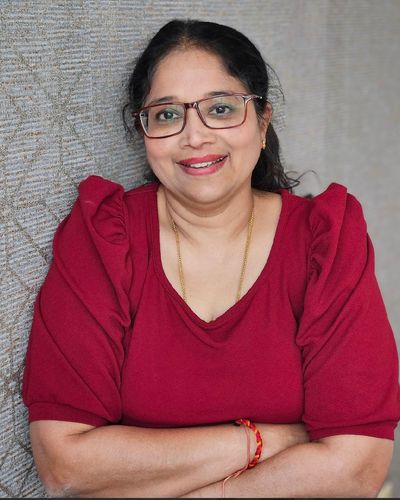
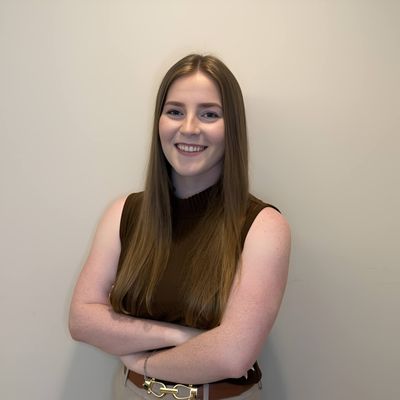
Dietitians who specialize in oncology (cancer) nutrition
Oncology (Cancer) Nutrition: common questions
When should I see a dietitian during cancer treatment?
As early as possible, ideally before treatment starts. It is easier to keep weight and strength than to regain them. You can also start at any point during or after treatment.
Should I take supplements during cancer treatment?
Some supplements can interact with chemotherapy or radiation. Talk with your oncology team before starting any. Your dietitian can review what you take and share questions for your doctor.
Do you replace my oncology team’s advice?
No. We work alongside your doctors and follow their medical guidance. Nutrition supports, but does not replace, your cancer treatment.
Can I have visits by video during treatment?
Yes. Video visits are available in 25 states, which many patients find easier on treatment days.
What patients say
“I met with Rachel today and we had a great conversation at my intake appointment that makes me feel optimistic about moving forward.”
“Awesome job very informative and pleasant Rachel really takes the time to listen and explain all aspects of diet and health would highly recommend”
“Service was excellent. She was very knowledgeable, showed empathy, and was helpful.”
Reviews shown are a selection of 118+ five-star reviews on Google, quoted as written. Individual experiences vary.
Related specialties
Tube Feeding & Formulas
Help from a registered dietitian with home tube feeding (enteral nutrition), choosing and adjusting formulas, schedules, tolerance and nutrition shakes.
Surgery & Wound Healing
Prepare for surgery and heal well afterward with a registered dietitian: protein, calories, vitamins and minerals that support recovery and wound healing.
Gut Health
Relief for IBS, bloating, reflux and SIBO with a registered dietitian.
This page is for general education and is not medical advice. Talk with your doctor before changing medications.
Ready to feel better? Most visits are covered by insurance.
Book online in about two minutes, or call 678-250-3438. Visits in Suwanee, Lawrenceville or by video.