
GLP-1 Nutrition Support · Registered dietitians
Nutrition Support While You Take a GLP-1 Medication
We don't sell or prescribe GLP-1 medications like Ozempic, Wegovy, Mounjaro or Zepbound. We help with your diet while you take them, so you lose fat, not the muscle you're worried about. Because these medications reduce appetite, what you do eat matters more: our dietitians help you get enough protein, fiber and fluids, ease side effects and build habits that last on the medication and after it.
Is this for you?
- You have started a GLP-1 medication prescribed by your doctor
- You have nausea, constipation or low energy since starting
- You are worried about losing muscle along with fat
- You are planning to taper off and want to keep your results
How our dietitians help
Protein first
Smaller appetites make protein targets harder to hit. We plan simple, high-protein meals and snacks to help protect muscle.
Side-effect strategies
Meal size, pace, fat content, fiber and hydration all affect nausea and constipation. We adjust them with you.
Micronutrients
Eating less can leave gaps. We check your intake and labs and suggest food-first fixes.
Life after the medication
We build habits now so you have a plan if your dose changes or you stop.
What to expect
- First visit: your dietitian reviews your health history, labs, medications and eating habits, then you set 2–3 goals together.
- Your plan: a personalized plan with meal ideas, recipes and tools, shared in your Healthie portal.
- Follow-ups: regular check-ins, usually every week or every other week at first, to track progress and adjust.
Visits are in person in Suwanee or Lawrenceville, GA, or by secure video in 25 states. More about visits.
Insurance coverage
Nutrition counseling is billed separately from your medication. Many plans cover it when billed with a related diagnosis.
Check your insurance in 10 seconds
Coverage depends on your specific plan. We check your benefits before your first visit, and it helps if you also call the member number on your insurance card. Our billing promise means no surprise bills.
Specialized training on our team
Certified in Pediatric and Adult Weight Management
American Dietetic Association (now the Academy of Nutrition and Dietetics) · held by a dietitian on our team
Advanced training in evidence-based weight care for both children and adults, beyond the standard dietitian degree.
Dietitians who specialize in glp-1 nutrition support
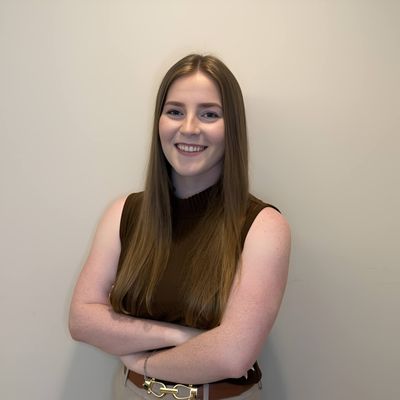
Rachel Caylor, RD, LD, CEDS
▶ Watch intro video
Registered Dietitian
Suwanee · Lawrenceville · Video visits
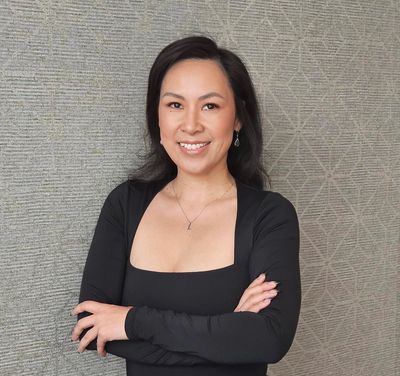
Lisa Nguyen, RD, LD
▶ Watch intro video
Registered Dietitian
Lawrenceville · Video visits
Speaks: English, Vietnamese
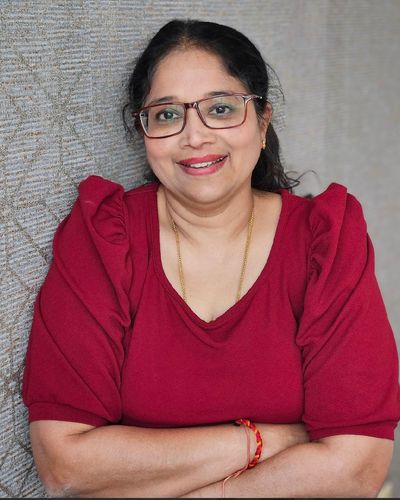
Deepa Narayanaswamy, RD, LD
▶ Watch intro video
Registered Dietitian
Suwanee · Video visits
Speaks: English, Hindi, Tamil, Telugu (conversational)
GLP-1 Nutrition Support: common questions
Do you prescribe or sell GLP-1 medications like Ozempic?
No. We don't prescribe or sell Ozempic, Wegovy, Mounjaro, Zepbound or any other medication. Our registered dietitians help with your diet while you take them, so you protect your muscle and manage side effects. Your doctor or another licensed prescriber decides on medication.
Why see a dietitian if the medication reduces my appetite?
Because you are eating less, each meal needs to count. A dietitian helps you meet protein, fiber and fluid needs, manage side effects and build habits you can keep.
Is GLP-1 nutrition counseling covered by insurance?
Often, when billed with a diagnosis such as obesity, prediabetes or type 2 diabetes. Coverage depends on your plan.
Can I do these visits online?
Yes. We offer secure video visits in 25 states, plus in-person visits in Suwanee and Lawrenceville, GA.
What is Ozempic?
Ozempic is a brand of semaglutide, a weekly injection in a group of medicines called GLP-1 receptor agonists. It is approved for type 2 diabetes; Wegovy is semaglutide approved for weight management. Mounjaro and Zepbound (tirzepatide) work in a similar way. They lower appetite and help the body manage blood sugar. Your doctor decides if one is right for you.
What are the common side effects of Ozempic and other GLP-1 medications?
The most common side effects are stomach-related: nausea, vomiting, diarrhea, constipation, belly pain and feeling full quickly. They are often strongest when you start or raise the dose. Call your doctor for severe or lasting belly pain, vomiting you can't stop, or signs of dehydration.
What should I eat to reduce nausea and constipation on a GLP-1 medication?
Eat small meals slowly and stop at the first sign of fullness. Choose protein first, go easy on greasy, fried and very sweet foods, and drink fluids between meals. Add fiber gradually (vegetables, fruit, beans, whole grains) with plenty of water to help with constipation. A dietitian can tailor this to your foods and your medication schedule.
Will I lose muscle on Ozempic or Zepbound?
Some of the weight lost can be muscle, especially if you eat too little protein. Getting enough protein at each meal and staying active, including strength exercises, helps protect muscle. Your dietitian will give you a personal protein goal.
What patients say
“I met with Rachel today and we had a great conversation at my intake appointment that makes me feel optimistic about moving forward.”
“Awesome job very informative and pleasant Rachel really takes the time to listen and explain all aspects of diet and health would highly recommend”
“Service was excellent. She was very knowledgeable, showed empathy, and was helpful.”
Reviews shown are a selection of 118+ five-star reviews on Google, quoted as written. Individual experiences vary.
Related specialties
Weight Management
Lose weight without crash diets.
Diabetes & Prediabetes
Lower your A1c with a registered dietitian.
PCOS
Work with a registered dietitian who specializes in PCOS.
This page is for general education and is not medical advice. Talk with your doctor before changing medications.
Ready to feel better? Most visits are covered by insurance.
Book online in about two minutes, or call 678-250-3438. Visits in Suwanee, Lawrenceville or by video.